
Pyrography, also known as fire painting or fire needle embroidery, is a millennium-old intangible cultural heritage of China, and a unique craft that uses fire as ink and hands as the soul. With a heated branding iron as a brush and bamboo, wood, or gourds as canvas, every work relies entirely on the artisan's manual control of temperature, pressure, and rhythm—high heat creates deep black charring, low heat produces soft sepia tones, light and heavy strokes shape line thickness, and slow and fast movements render gradient transitions. Scorch marks of varying shades are burned into natural materials, eventually forming timeless works that blend painting artistic conception with material texture. Without a single drop of pigment, it can present a unique texture through the collision of fire and wood. Every scorch mark is a mark of handcraft, and every inch of texture hides the warmth of craftsmanship.
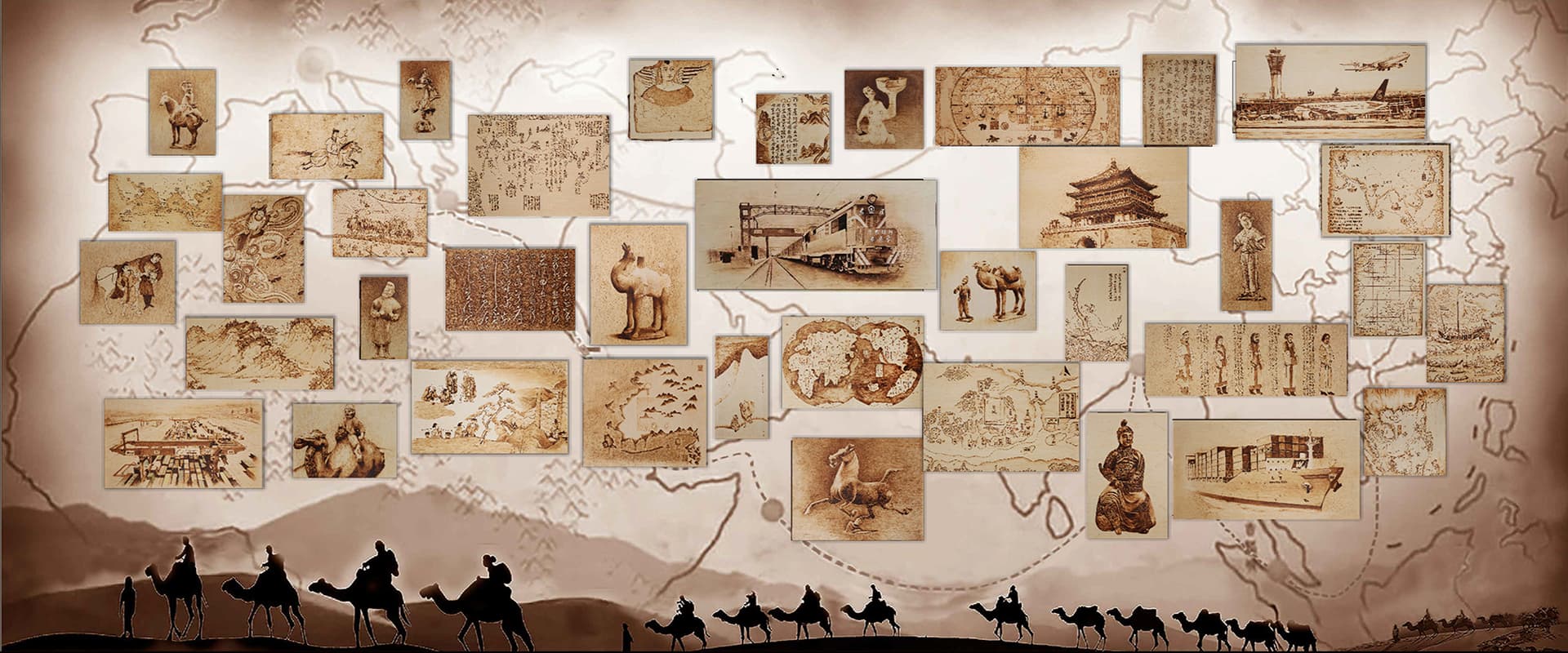
The preciousness of pyrography lies in its "handmade uniqueness". From material selection and polishing to outline sketching and detail burning, there is no possibility of machine replication throughout the entire process. Every Pyroart artisan needs years of accumulation to accurately control the temperature of the fire and the rhythm of the "brush". Even with the same prototype and the same artisan, subtle differences in the pressure of each iron stroke and ambient temperature will create completely different scorch textures. This means that every Pyroart pyrograph is a unique one-of-a-kind piece in the world. Collecting it is to own an exclusive gift of craftsmanship. There are no two identical works, and its scarcity and uniqueness are themselves the core value of collection.
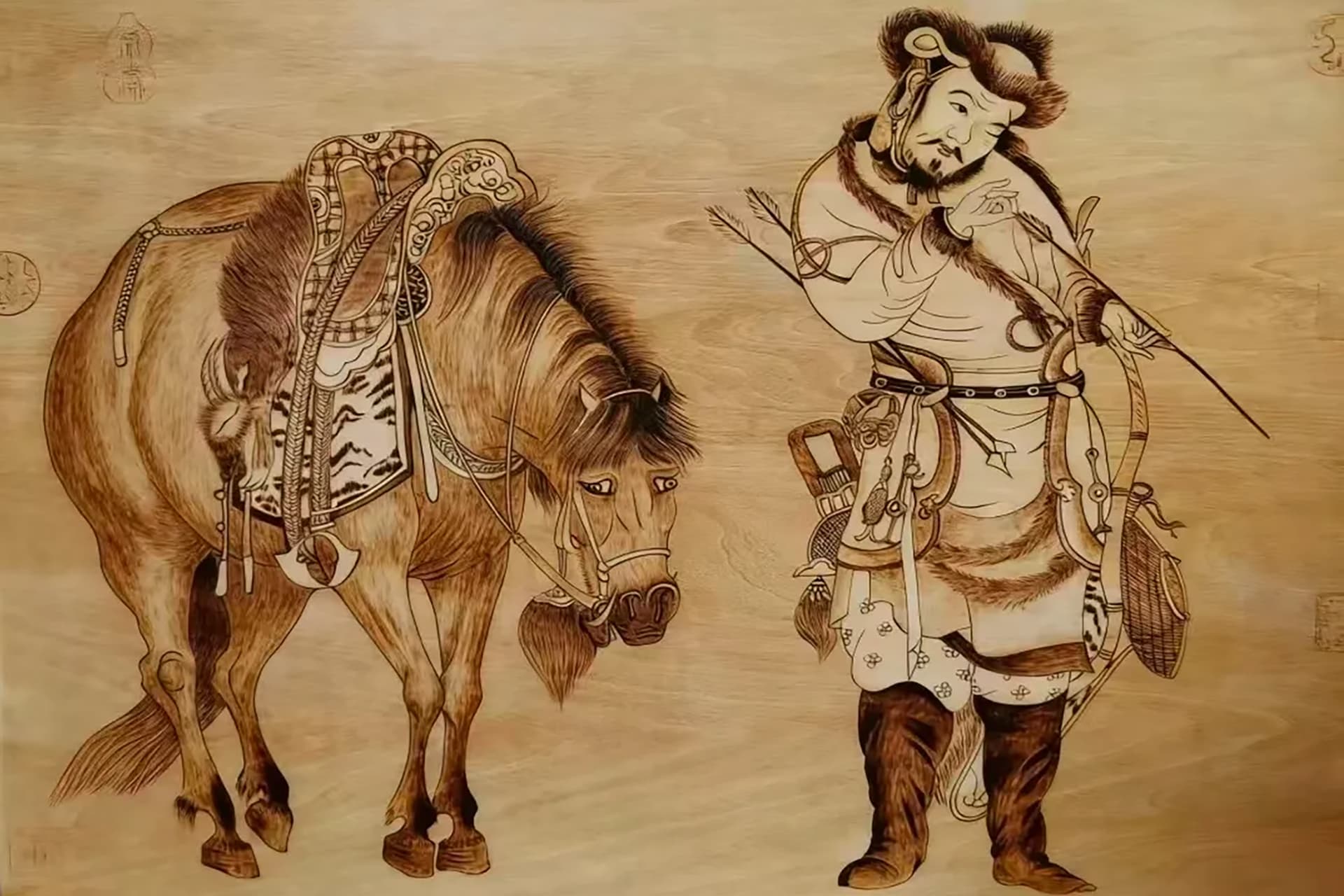
Looking back over a thousand years, the inheritance of pyrography has always carried positive energy. In the early Han Dynasty, folk craftsmen burned auspicious patterns with fire as protective tokens, embodying wishes for peace and smoothness; in the Song Dynasty, literati elevated it to an independent art form, conveying a calm and elegant spiritual demeanor through scorch marks; during the Ming and Qing dynasties, both the imperial court and the people regarded pyrography as a symbol of good fortune, using it to decorate spaces and gather blessings. This energy attribute inherent in the craft has been continued and sublimated in the hands of Pyroart artisans—every manual scorch mark is not only a presentation of skills, but also an infusion of the artisan's dedication and good meanings, firmly locking the cultural confidence of thousands of years of intangible heritage and the warm power of hand creation into the warm wood grains.
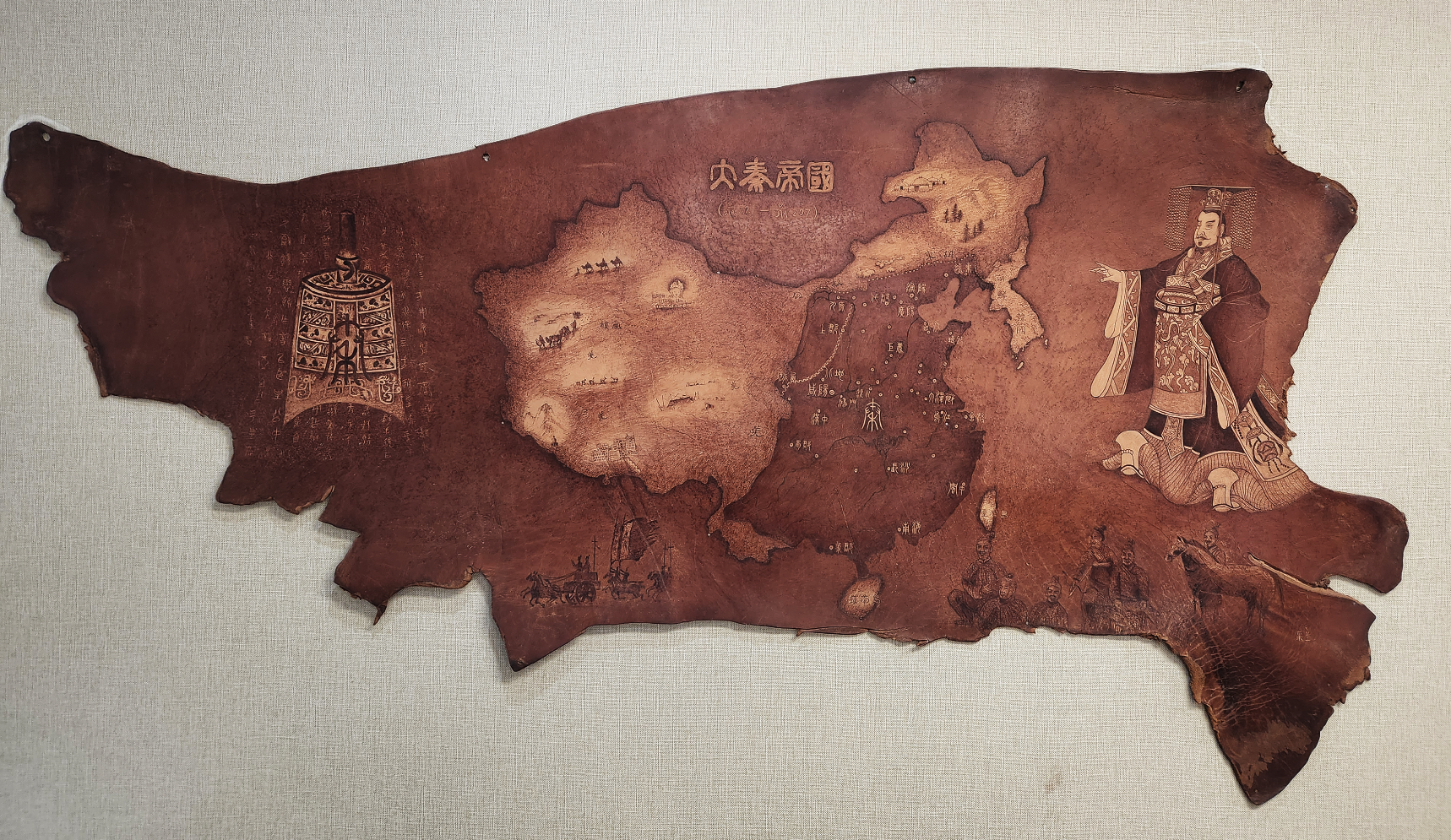
For collectors, what Pyroart pyrography brings is tangible texture and intangible energy nourishment. When you run your fingers over the manually burned texture, you feel the warmth of the wood and the thickness of the scorch marks, as well as a unique sense of peace and strength. Pyrographs replicating "Terracotta Army" and "Along the River During the Qingming Festival" carry the profound energy of thousands of years of civilization, which can inject a calm aura into the space and awaken inner cultural confidence; works replicating "Five Horses" and "Spring Outing of the Ladies of Guo" embody the meanings of smoothness, prosperity, and progress, bringing collectors the confidence and good luck to move forward; pyrographs of classic images integrated with modern elements convey the energy of perseverance and hope, accompanying collectors to draw strength in daily life.
In the modern era, Pyroart inherits intangible heritage through handcraft and carries energy through unique pieces, revitalizing this ancient craft. Artisans use branding irons to replicate the sanctity of "Thangkas" and the hope of "The Shawshank Redemption", retaining the essence of traditional craftsmanship while meeting the spiritual needs of contemporary collectors. Collecting a Pyroart pyrograph is not only collecting a handicraft, but also collecting a unique cultural memory and an exclusive positive energy. Placed quietly in the space, it can not only show the collector's unique taste, but also continuously transmit warm, firm, and smooth energy. While owning a one-of-a-kind piece, every collector gains a lifetime of good luck and confidence, and feels the unique charm and energy gift of intangible heritage handcraft through the interplay of fire and wood.